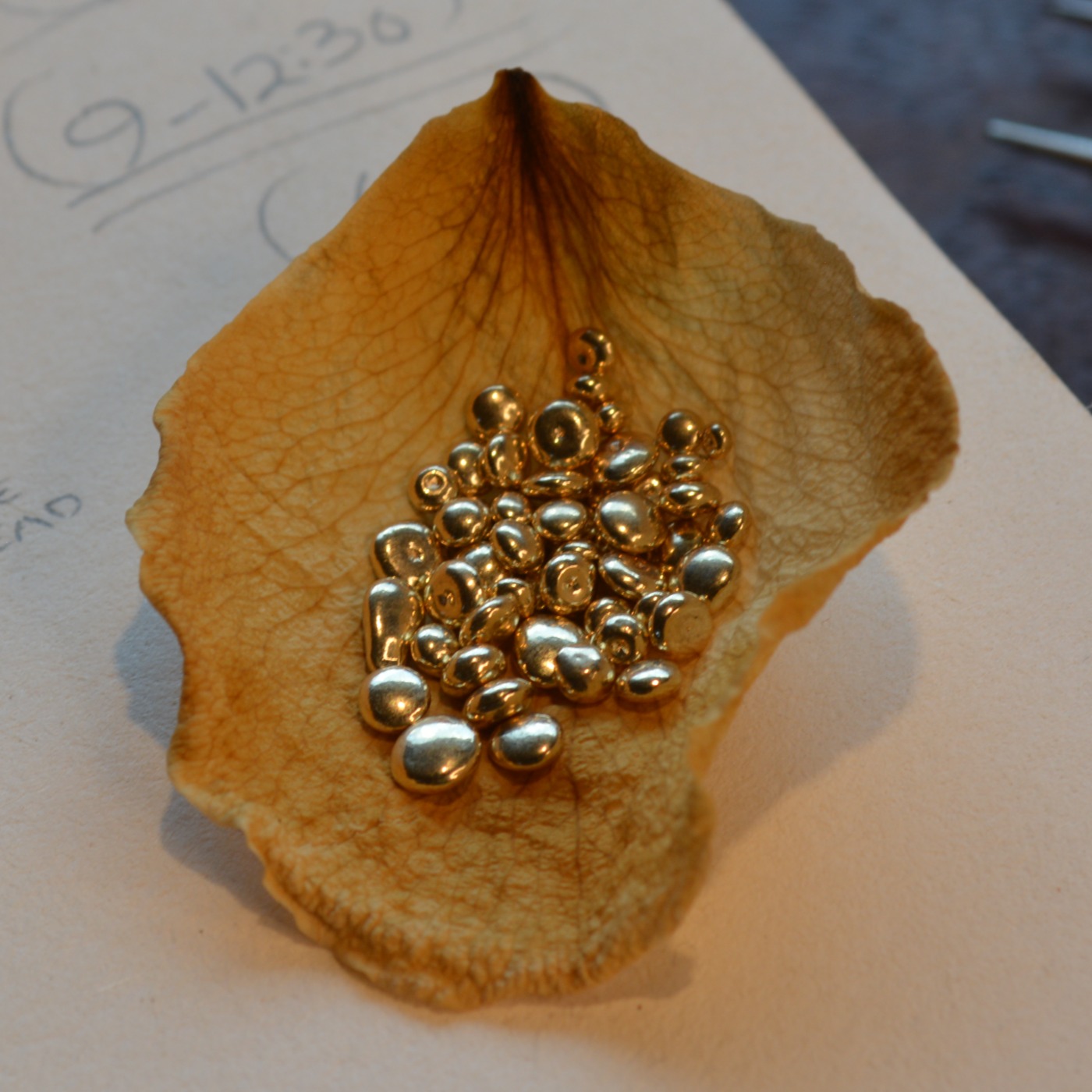
We will start with GOLD, in its beautiful warm & natural Yellow Color. Historically, this is the metal of choice that many Fine Jewelry Pieces have been set in. When it comes to color, the metal of choice is really a matter of personal preference & gold certainly offers several options.
When we think of a gold bullion bar stamped or assayed with a designation of .999, it refers to its content purity, also referred to as 24K gold. Since pure gold is fairly soft and malleable, a combination of metal alloys is added during casting to improve durability and wearability. The image below shows karat and percentage of gold content as it pertains to parts of 1000, or .999.
The Alloys and the Blending of COLOR
White Gold
Starting with pure gold, a combination of silverish-white metal alloys such as zinc, nickel, silver, and palladium are used to create white gold. Once a piece is cast and finished, a rhodium plating is applied to brighten the color and provide additional hardness, scratch resistance, and oxidation protection.
Rose Gold
The addition of Copper as an alloy along with other white metal alloys is used to produce Rose Gold.
Rose gold will appear rosier (with a higher copper percentage) versus 18K rose gold, which displays a warmer rose-yellow undertone.
Platinum
Platinum is a true white metal—bright silver in color, ductile, and resistant to corrosion—with a higher melting point than gold. It requires no additional plating and very little alloy addition. Platinum’s density is slightly higher than gold, so it gives jewelry more heft. For example, a men’s band in platinum will feel slightly heavier than a gold band of the same size.
So how do we choose the appropriate precious metal for the piece?
14K/585Everyday wear fine jewelry. The percentage of alloy added makes it harder & more durable, perfect for those with a more active lifestyle or that want to wear their pieces on a daily bases and not have to worry to much about scuffing, scratching or bending.
Rings tend to get the most wear compared with pendants or earrings, making 14K a good choice for white and rose gold jewelry pieces as well.
Chains are also a better choice in 14K, especially for daily use with pendants.
14K is the most common fineness for gold jewelry in the US and a more economical price point.
18K/750 For those that are looking to have more of a saturation of the Gold color in their pieces along with a higher gold content, 18K is a great choice.
Aside from the warmth in color, this is my personal favorite (from a fresh off the bench perspective :)) to work with because it offers just the right amount of softness for setting more delicate stones with the right amount of balance for wearability.
The higher yellow color also provides great contrast when nesting colored stones! Although it does require a little more care compared to a 14K gold jewelry, overall, throughout the years, it holds up very well.
18K is the gold standard of fineness for Jewelry production in many of the European countries.
22K/916The color in 22K fineness is going to give you the closest look to pure gold, the yellows of the yellows, the highest content of gold for a wearable piece of jewelry.
A little more Tender-Loving-Care is required with use because it has very little addition of alloy, but overall a beautiful, buttery rich look in color.
Several of the Asian countries use this fineness for their gold pieces.
Plat. 950Platinum is a wonderful choice if you are looking for a true white metal, without having to worry to much about the maintenance of Rhodium plating over time and you don’t mind a little bit of additional weight on the finger. Another useful alternative for using platinum for engagement rings or mens bands is if you’ve had any known allergies in the past when using *white gold. Pure Gold does not cause allergies in in of itself, but sometimes the addition of Nickel as an alloy, often added to produce white gold can cause an allergic reaction to those who are sensitive to it. The look of Platinum over the years develops a beautiful, natural patina.
Privacy & Cookies: This site uses cookies. By continuing to use this website, you agree to their use. To find out more, including how to control cookies, see here: Cookie Policy.


Leave a Reply